Collapsed Drains in Havant: Signs, Causes and Repair Options
Drainage systems play a crucial role in maintaining the structural integrity and hygiene of homes across Havant and the wider Hampshire area. When drains collapse, it can lead to significant problems such as blockages, flooding, and damage to foundations. Understanding what a collapsed drain is and recognising the warning signs early can save homeowners considerable stress and expense.
In this article, we’ll explore the tell-tale signs that your drain might be collapsing, the common causes behind this issue in Havant properties, and practical repair options available locally. Whether you live in Havant itself, Waterlooville, Emsworth, or other nearby towns, this guide will help you take informed steps to protect your home’s drainage system.
What Is a Collapsed Drain?
A collapsed drain occurs when a section of an underground pipe becomes structurally unsound and breaks or caves in, disrupting the flow of wastewater or rainwater. This can happen gradually over time as materials degrade or due to sudden damage from external forces.
Drains are usually made from clay, concrete, or plastic pipes buried beneath gardens, driveways, or roads. If a pipe collapses, wastewater can back up into your home or garden, and the surrounding soil may shift or wash away, causing further problems.
In the Havant area, older properties with traditional clay pipe systems are especially prone to collapse, as these materials can crack or erode after decades underground. Newer pipes are more resilient but can still suffer from external stresses.
Common Signs of a Collapsed Drain in Havant Homes
One of the most obvious signs of a collapsed drain is persistent blockages that don’t clear with usual drain cleaning methods. Water may drain slowly or back up into sinks, toilets, or showers, indicating a physical break or collapse is obstructing flow.
Damp patches on floors or walls inside the home often point to leaking wastewater escaping from damaged pipes underground. In gardens or lawns, you might notice sunken areas or small sinkholes where the soil has settled into voids caused by a collapsed pipe.
Subsidence around your property, which can lead to cracks in walls or uneven floors, might also be linked to drainage failures beneath the surface. Residents in Havant and nearby towns like Purbrook or Cowplain should watch for these warning signs, especially after heavy rain.
What Causes Drain Collapse in Havant?
A variety of factors can lead to drain collapse locally. Tree root invasion is a frequent culprit in Hampshire, as roots seek out moisture inside pipes, gradually causing cracks or blockages that result in pipe failure.
Ground movement caused by freezing and thawing cycles, or soil erosion during heavy rain, especially on sloping terrain found around Horndean and Clanfield, can also weaken pipe structures over time.
Poor initial installation or using the wrong materials may leave some drains vulnerable. Additionally, increased surface water runoff from new developments in Southbourne or Waterlooville can overload older drainage systems, accelerating wear and collapse.
How Collapsed Drains Are Diagnosed
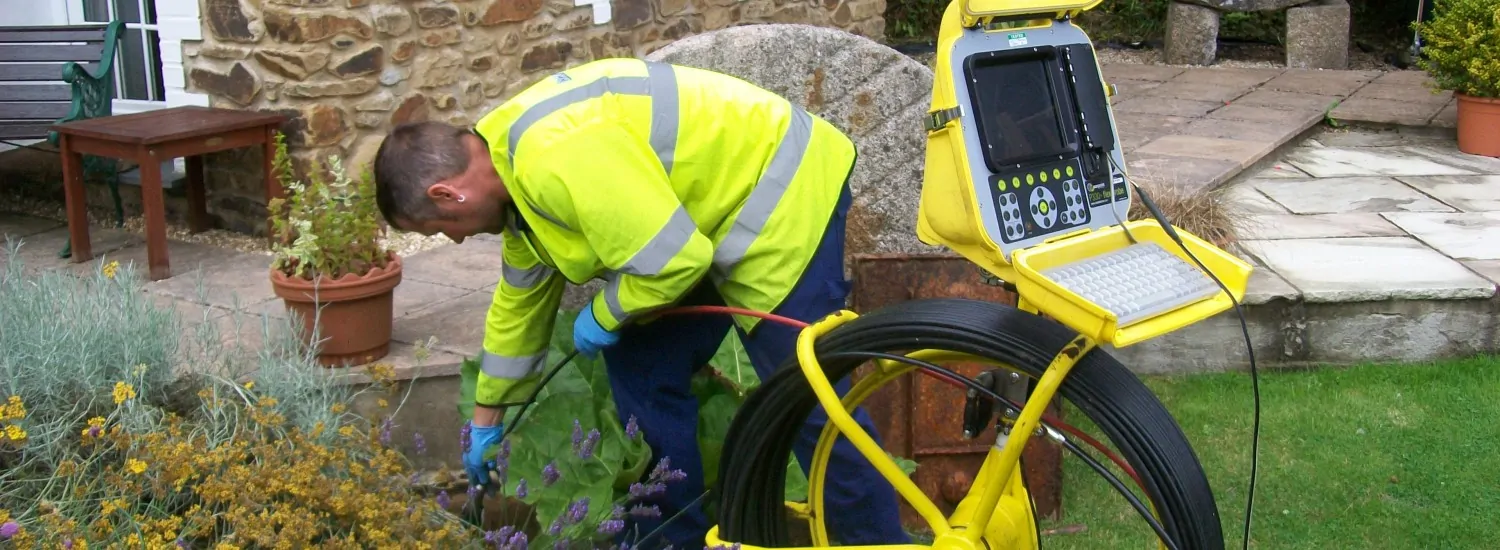
Identifying a collapsed drain requires careful investigation, starting with a CCTV drain survey. A specialist camera is fed through the pipes to visually inspect their condition and pinpoint collapsed sections without unnecessary digging.
In Havant and surrounding communities like Hayling Island or Rowlands Castle, professional drainage surveys are essential before any repair work, ensuring the problem is fully understood. Sometimes, dye tests or water flow monitoring may also be used to assess blockages and flow disruptions.
Early and accurate diagnosis helps prevent further damage to pipework and property by allowing targeted repairs rather than widespread excavation.
Repair Options for Collapsed Drains in Havant
Once a collapsed drain section is located, repairs depend on the extent and type of damage. For minor collapses or cracks, trenchless repair methods like cured-in-place pipe (CIPP) lining can restore pipe integrity without extensive digging.
More severe collapses may require excavation to remove and replace damaged pipe sections. In gardens or drives in places like Westbourne or Denmead, this can mean temporary disruption but provides a long-term solution.
Drain replacement materials now often favour durable plastic piping that resists root invasion and shifting ground better than older clay pipes, providing peace of mind for homeowners across Hampshire.
Preventing Drain Collapse: Tips for Havant Property Owners
Regular maintenance helps reduce the risk of drain collapse. Avoid flushing items that cause blockages and clear gutters to prevent excess water overloading underground drains during heavy Hampshire rains.
If you have mature trees near your drainage lines, have roots inspected periodically by a specialist. Root barriers or pipe lining can protect drains without harming trees.
Scheduling routine CCTV drain surveys every few years is a wise step for homeowners in Havant, Waterlooville, or Emsworth to catch early signs of damage before collapse occurs.
When to Call a Drainage Expert in Havant
If you notice persistent drain blockages, unusual damp patches, or ground subsidence around your property, it’s important to seek professional advice promptly. Delaying repairs can lead to more extensive damage and costly remedial work.
Local drainage specialists familiar with Havant and Hampshire soils and conditions can provide tailored advice, thorough diagnostics, and appropriate repair solutions to safeguard your home.
Whether you’re in Clanfield, Purbrook, or Southbourne, addressing drainage problems early ensures your property remains safe, dry, and structurally sound.
Need a drainage expert in Havant?
Call 023 8184 9826