Outside Drains and Gullies: A Guide for Havant Homes
For homes in Havant and the surrounding Hampshire area, outside drains and gullies are vital components that protect properties from water damage and flooding. These drainage features channel rainwater away from buildings, preventing pooling and seepage that can cause costly repairs. Yet, many homeowners remain unaware of how these systems work and the importance of regular maintenance, especially given our region’s often wet climate.
Outside drains and gullies may seem straightforward, but they rely on a careful balance of design and upkeep to function properly. Leaves, silt, and general debris accumulation—common in Havant’s leafy suburbs and close to natural green spaces—can quickly block these drainage points. Understanding their function, seasonal care routines, and the meaning of standing water outside your home can help you protect your property and maintain a healthy drainage system.
How Outside Drains, Gullies, and Channel Drains Work
Outside drains, gullies, and channel drains serve to collect surface water and funnel it away from your home. Typically installed around the perimeter of a property, these drains prevent excess water from pooling on driveways, patios, or near foundations. In Havant’s residential areas and nearby towns like Waterlooville and Emsworth, these drains play an essential role in managing rainwater, especially during the wetter autumn and winter months.
Gullies are recessed openings that intercept water from paved surfaces and gardens, directing it into underground drainage pipes. Channel drains are linear channels with grates on top, designed for broader coverage, often found across patios or along driveways. Both types connect to a larger drainage network, directing water safely away from your property to prevent soil erosion and foundation damage common in Hampshire’s clay-based soils.
Properly functioning drains ensure water flows freely away from your home, reducing risks of flooding and dampness inside. In older properties around Havant and adjacent villages like Cowplain or Purbrook, it's important to check that these drains are still clear and intact, as blockages or damage can quickly develop if neglected.
Why Leaves and Silt Cause Blockages
Leaves and silt are two of the most common culprits when it comes to blocked outside drains and gullies in Havant. Our region is fortunate to have many trees and green spaces, but these also mean seasonal leaf fall and natural debris that can accumulate in drainage grates. When combined with rainwater, leaves can form dense mats that prevent water from entering the drain.
Silt, made up of fine soil particles, builds up gradually through runoff from gardens and surrounding land, especially after heavy rainfall common in Hampshire’s climate. This sediment settles in drains and gullies, reducing their capacity and eventually leading to standing water. Over time, the combination of leaves and silt creates stubborn blockages that hinder water flow.
If left untreated, these blockages can cause water to back up and pool around your property’s base, potentially leading to damp patches on walls or even flooding. This is why regular inspection and cleaning, particularly after autumn leaf fall or winter storms, are crucial for maintaining healthy drainage around Havant homes.
Seasonal Maintenance Tips for Havant Homeowners
Seasonal upkeep of outside drains and gullies is essential to keep your Havant home’s drainage system working effectively. During autumn, it’s particularly important to clear away fallen leaves before they accumulate in gullies and channel drains. Regularly removing garden debris and sweeping nearby surfaces helps reduce the risk of blockages.
Winter brings wet weather that can wash additional silt and soil into your drains, so after heavy rainfall or storms, take time to inspect drains for any sluggish water flow or visible debris. Where safe to do so, you can use a gloved hand or a small tool to clear surface debris, but avoid flushing drains with chemicals as this can harm local watercourses in Hampshire.
In spring and summer, vegetation growth may encroach on drain covers or nearby surfaces, so trimming back plants around your property’s drainage points can prevent blockages. Professional drainage inspections every few years can identify potential issues early, especially in older properties common in Havant, ensuring your system remains efficient year-round.
What Standing Water Around Your Home Could Mean
If you notice standing water pooling near your home’s exterior—whether by driveways, patios, or garden areas—it’s a sign that your outside drains or gullies could be blocked or compromised. In Havant and neighbouring towns like Horndean and Clanfield, this situation often arises after heavy rain when drainage systems cannot cope with excess water.
Standing water should not be ignored, as it can lead to several issues. Firstly, it increases the risk of water penetrating foundations or basement walls, which can cause damp problems inside. It also creates a breeding ground for insects such as mosquitoes, and in Hampshire’s temperate climate, stagnant water can encourage moss growth and slippery surfaces around your home.
Persistent pooling may also indicate problems deeper in your drainage system, such as collapsed pipes or poor gradient. If blockages cannot be cleared by surface cleaning, a professional drainage survey can identify and resolve underlying faults, preventing further water damage to your property.
Local Considerations for Drainage in Havant and Surrounding Areas
Havant lies within a region where soil type and rainfall patterns influence drainage needs. Much of Hampshire features clay-based soil, which tends to retain water and can exacerbate drainage problems, especially after prolonged rain. For homes in areas like Southbourne, Westbourne, or Hayling Island, this means outside drains must be well-maintained to cope with slow natural absorption.
Additionally, properties close to natural watercourses or low-lying areas, including parts of Rowlands Castle and Denmead, may face higher risks of surface water flooding. Ensuring outside drains and gullies are clear and functioning well helps reduce flood risks during Hampshire’s rainy seasons.
Local garden types and landscaping choices also affect drainage. Lawns, flowerbeds, and paved patios all drain water differently, so Havant homeowners should consider how runoff is directed and ensure drains are positioned to handle these flows effectively. Consulting local experts familiar with Hampshire’s drainage conditions can provide tailored advice and solutions.
When to Call a Professional Drainage Service
While regular homeowner maintenance can prevent many drainage issues, there are times when professional help is needed. If you’ve cleared leaves and debris but water still pools near your home, or if drains and gullies produce unpleasant odours or overflow during rain, it could indicate a deeper blockage or pipe damage.
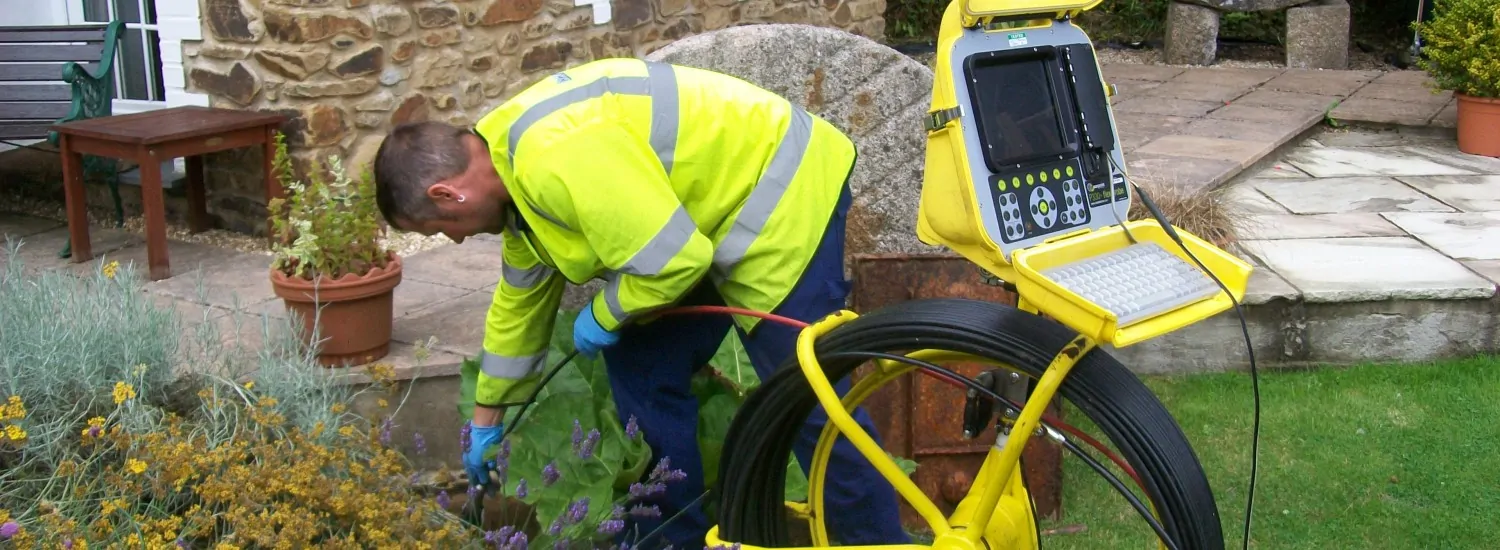
Residents of Havant, Waterlooville, or Cowplain noticing persistent drainage problems should consider scheduling a professional drain survey. Specialists have the equipment to inspect underground pipes using cameras and can safely clear or repair blockages that cannot be tackled with simple tools.
Hiring a professional also ensures drainage systems comply with local requirements in Hampshire and can help safeguard your property’s long-term integrity. Early intervention can save considerable costs linked to water damage, damp repairs, and structural issues, making it a sensible step whenever routine maintenance doesn’t resolve the problem.
Need a drainage expert in Havant?
Call 023 8184 9826