
Tree Roots in Drains: Signs, Risks and Repairs in Havant
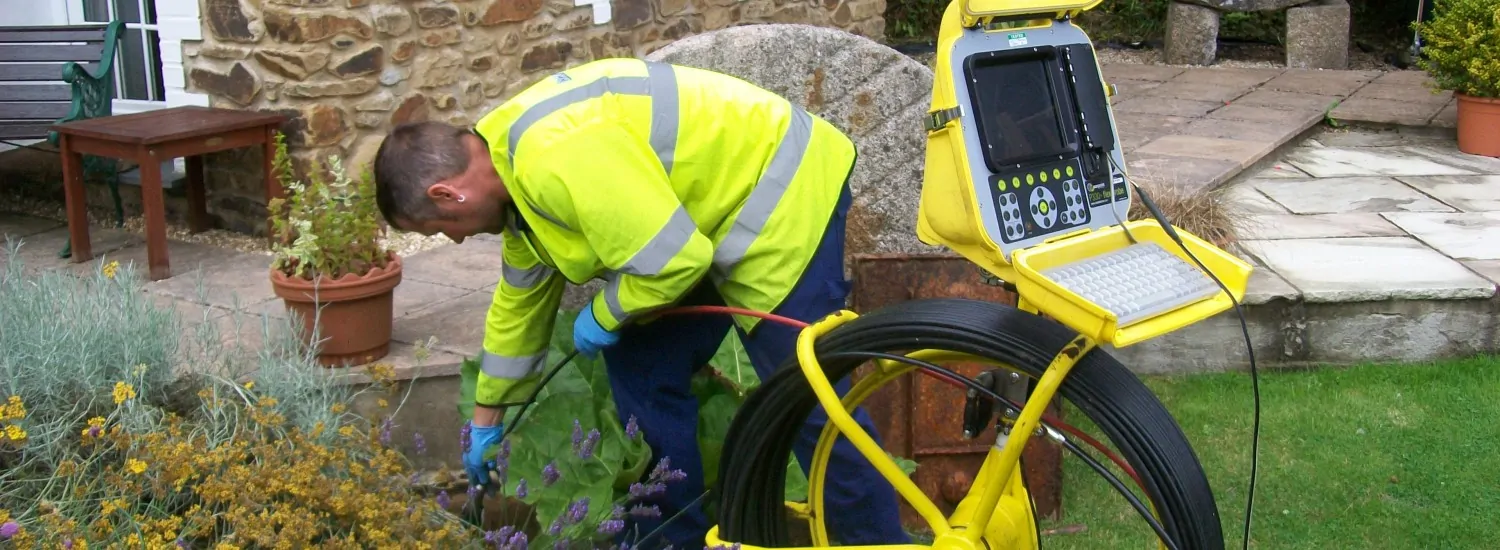
Living in Havant and surrounding Hampshire towns like Waterlooville or Emsworth, many homeowners enjoy mature gardens with trees that add beauty and shade. However, one common issue faced by properties in these areas is the invasion of tree roots into drainage systems. Over time, roots seek out moisture and can infiltrate underground drains, causing blockages and structural damage.
Understanding how and why roots get into drains, spotting the early warning signs, and knowing your repair options are vital to protecting your property. This article provides a detailed overview specifically tailored for residents in Havant and nearby towns such as Cowplain and Purbrook, helping you safeguard your drainage from root-related problems.
How and Why Tree Roots Invade Drains
Tree roots naturally grow in search of water and nutrients, and underground drains often provide a tempting source. In Havant and the surrounding Hampshire countryside, many properties have ageing pipework made from porous or brittle materials like clay or older plastic. These materials can develop small cracks or joints that are not completely sealed, allowing roots to penetrate.
Once roots find a way in, they spread inside the drain pipes, following the moisture and organic matter flowing through. This is especially common near large trees commonly planted in Havant gardens or public spaces around Rowlands Castle and Horndean. Root growth is persistent and can expand rapidly, especially during wetter months when roots actively seek water.
Soil conditions around Havant’s coastal and inland areas also play a role. Areas with drier surface soil encourage roots to grow deeper underground, increasing the likelihood of them encountering drainage systems. Additionally, inappropriate planting too close to drains in areas like Hayling Island or Southbourne can increase root-related problems.
Warning Signs of Root Ingress in Your Drains
Early detection of root intrusion is key to preventing serious damage. Homeowners in Havant may notice slow drainage from sinks, toilets, or showers, especially if blockages worsen gradually over weeks. Gurgling noises coming from drains and toilets can also indicate roots obstructing pipe flow.
Occasional sewage smells around the garden or near manhole covers are another warning sign. These odours result from organic material trapped by roots, which begin to decompose and emit unpleasant smells. In some cases, patches of unusually lush or wet grass above underground drains, for example in Purbrook or Clanfield gardens, can indicate a leaking or blocked pipe caused by root damage.
If left untreated, these signs typically escalate to complete drain blockage or pipe collapse, often resulting in costly repairs and potential damage to your property’s foundations or landscaping.
The Damage Caused by Tree Roots Over Time
Roots growing inside drains can cause both physical and functional damage. Mechanically, roots widen existing cracks and joints by exerting pressure as they grow thicker, leading to pipe fractures or complete collapse. In Havant’s older housing areas, where many drainage systems date back several decades, this can be a common problem.
Functionally, root mass inside pipes restricts water flow, causing backups and increased strain on your system. Blockages can result in flooded drains or sewage overflowing into homes or gardens, posing health risks to families and pets in communities like Denmead or Westbourne.
Repair costs tend to climb as damage progresses, especially when tree roots penetrate below foundations or sewer mains. Early intervention can save homeowners from expensive structural repairs or the need for full pipe replacement.
Common Repair Options: Root Cutting and Removal
When roots are detected early, one of the most common and cost-effective treatments is root cutting or removal. Specialists in Havant use mechanical cutters or high-pressure water jetting to clear roots from inside pipes without excavation.
Mechanical cutters rotate blades to slice through roots, restoring pipe flow immediately. Water jetting uses a powerful stream to both cut roots and flush debris downstream. These methods are minimally invasive and suitable for residents in areas like Horndean or Southbourne with gardens where digging would be disruptive.
However, root cutting is often a temporary fix because roots tend to regrow unless the pipe defects providing entry points are sealed or repaired. Homeowners should consider follow-up inspections to monitor for recurrence after treatment.
Advanced Repairs: Pipe Relining and Replacement
For more permanent solutions, especially when pipes are extensively damaged, pipe relining or replacement may be necessary. In Havant and nearby towns such as Cowplain or Rowlands Castle, drainage professionals often recommend relining to avoid the disruption of traditional excavation.
Relining involves inserting a flexible resin-coated liner into the existing pipe, which hardens to form a new seamless pipe inside the old one. This approach seals cracks and joints, preventing future root ingress and restoring structural integrity.
Full pipe replacement is more invasive but sometimes unavoidable when pipes are collapsed or severely degraded. This requires digging up the affected section and installing new pipes, commonly PVC or other durable materials better resistant to root penetration. While more expensive, replacement provides a long-term fix, particularly for properties with mature trees in close proximity.
Preventing Root Problems in Havant Gardens
Preventing root intrusion starts with thoughtful landscaping and regular maintenance. Homeowners in Havant and surrounding villages like Denmead or Purbrook should avoid planting large trees or shrubs close to drainage lines. Species with aggressive root systems, such as willow or poplar, are best kept well away from underground pipes.
Routine drain inspections and maintenance, including CCTV surveys, allow early detection of root ingress before major issues arise. Many Hampshire drainage services offer these inspections, which are particularly valuable for older properties common in Havant.
Additionally, installing root barriers during garden landscaping can help direct root growth away from drains. Maintaining healthy soil moisture levels discourages roots from aggressively seeking water in pipes. Together, these measures can significantly reduce the risk of costly root-related drain problems.
When to Call a Professional in Havant
If you suspect tree roots have invaded your drains, prompt professional assessment is crucial. Local drainage experts in Havant have access to specialised CCTV drain surveys that can accurately identify root location and damage extent without disruptive digging.
DIY methods like chemical root killers may provide temporary relief, but only qualified technicians can recommend appropriate repair options based on the condition of your drainage system. Early intervention often prevents escalation and costly emergency repairs, particularly important in densely built areas like Havant or Waterlooville.
Regular servicing and expert advice tailored to Hampshire’s soil and property types help ensure your drains remain clear and functional, preserving the value and comfort of your home.
Need a drainage expert in Havant?
Call 023 8184 9826